Onions
The Toxic Lover
Onions
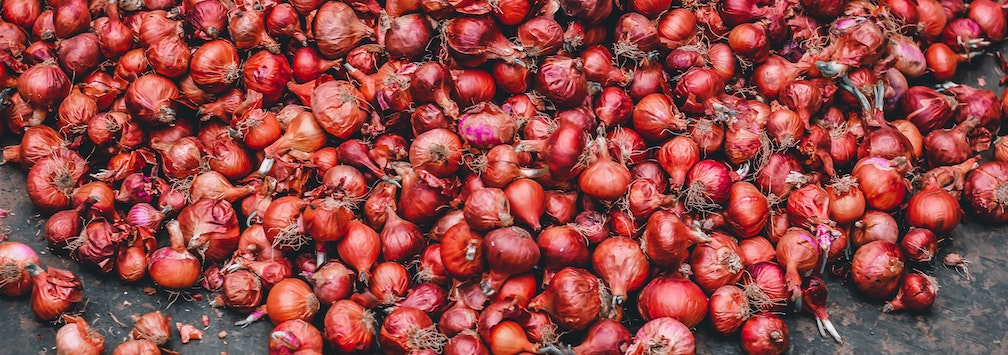
Onions(Allium cepa L) is one of the important condiments widely used in all households all year round. Nature has given many beneficial and useful plants to mankind. One such wonderful plant is onion. Onion is ne of the oldest cultivated herbs. Many archeologists believe that they were first grown in Iran and Pakistan. According to the United Nations Food and Agriculture Organization Pakistan is the fifth leading onion production country now. It is a wonderful vegetable. It would have been a fruit if it had not been pungent and full of sulfuric compounds. it comes in varying shapes and sizes; and has beneficial properties for health particularly being fat free.
Benefits and Uses of Onions
This vegetable is most often used to enhance flavours in a wide range of recipes casseroles, pizzas, soups, stews and salads. Onions are also processed for fresh consumption. Onions are a vegetable for all seasons and tastes its presence lends colour and enhancement to the most modest dish; its absence reduces the rarest delicacy to hopeless insipidity and dinner to despair.
Recent research has suggested that onions in the diet may play a part in preventing heat disease and other ailments. Onion bulb is rich in phosphorus, calcium and carbohydrates. The pungency in onion is due to a volatile oil known as allyl-propyl disulfide. Its taste is sweet and pungent. It is appetizer and helps in digestion of food. Onion is a source of energy and acts as stimulant increases vigor and vitality, acts as a expectorant and diuretic slows the heart beat, prevents flatulence and dyspespia
In ancient Egypt, physicians prescribed onion in various diseases. Studies have shown that it also helps eliminate free radicals in the body to enable low-density lipoprotein oxidation to protect and regenerate vitamin E and to inactivate the harmful effects of chelate metal ions. One onion contains 60 calories. It is also considered potent as a blood thinner and platelet inhibitor.